How to Litter Train a Kitten, Step by Step
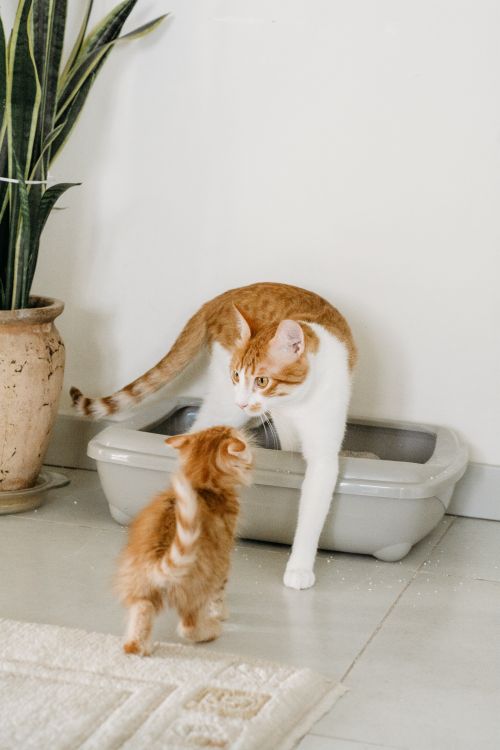
Photo: Pexels
Litter training is one of the first skills a new kitten needs to learn, and the good news is that most kittens pick it up quickly. Cats are naturally clean animals and prefer to bury their waste. Your job is to make the right choice easy: the right box, in the right place, with a routine your kitten can learn in a few days.
Choose the right box and litter
Start with a litter box that is easy for a small kitten to get into. A shallow tray with low sides works best — a tall box with high walls can be a real barrier for little legs. You can move to a larger box with higher sides as your kitten grows. A covered box is fine for some cats, but many kittens prefer an open tray at first, so they can see their surroundings.
For litter, unscented clumping litter is a good starting point for most kittens. Strongly scented litters can put them off. Avoid dusty litters if you can, and do not use clumping litter for very young kittens under about eight weeks if they tend to eat it — a non-clumping litter is safer while they are still learning. Fill the box with a few inches of litter, enough for your kitten to dig and cover.
Where to put the box
Location matters as much as the box itself. Choose a quiet, low-traffic spot that is easy for your kitten to reach at all times. A corner of the laundry room or a bathroom often works well. Avoid putting the box next to the food and water bowls — cats do not like to eat where they go to the toilet — and avoid noisy places like next to a washing machine.
If your home has more than one floor, put a box on each floor while your kitten is small. A tiny kitten will not always make it down the stairs in time. The general rule is one litter box per cat, plus one extra, so a household with two cats should have three boxes.
Introduce your kitten to the box
When your kitten first arrives home, gently place them in the litter box so they know where it is. Let them sniff and dig a little, then let them walk out on their own. Do not force them to stay in the box. Repeat this after meals, after naps and after play sessions — these are the moments a kitten most often needs to go.
Watch for the signs: sniffing the floor, circling, crouching or scratching at a surface. When you see them, calmly pick your kitten up and place them in the box. If they use it, praise them softly. If they have an accident, stay calm — shouting or punishment does not teach a kitten anything and only makes them afraid of you.
Build the routine
Kittens learn through repetition. For the first week or two, take your kitten to the box at regular times: after every meal, after waking up, and after a play session. Most kittens get the idea within a few days, though some take a week or two to become fully reliable.
Scoop the box at least once a day, and change the litter completely and wash the box with mild soap and water about once a week. A clean box is the single most important factor in keeping a kitten using it. Cats have a strong sense of smell, and a dirty box can send them looking for a cleaner spot — like your bed or the rug.
When accidents happen
Accidents are part of the process. Clean them up right away with an enzyme-based cleaner made for pet messes, which removes the smell completely. Ordinary cleaners often leave a scent that humans cannot detect but cats can, and your kitten may return to the same spot.
If accidents keep happening, check the basics first: is the box clean, is it easy to reach, is it in a quiet spot, and is the litter the kind your kitten likes? Try a different litter or a second box in another location. If the problem continues, or if your kitten suddenly stops using a box they used reliably before, ask your vet — a change in litter habits can sometimes be a sign of a health issue.
Growing up with the box
As your kitten grows, switch to a larger box and keep the routine going. Some cats develop strong preferences as they get older — a particular litter, a particular spot — and respecting those preferences saves a lot of trouble later. Keep the box in the same place once your kitten is trained, and move it only gradually if you need to relocate it.
Litter training rarely takes long, and once it clicks, it usually stays clicked for life. The first week of gentle guidance is all it takes for most kittens.
A practical tip to end on: keep a spare bag of the same litter and a small scoop in the room where the box lives. When scooping is easy and the supplies are right there, the box stays clean — and a clean box is what keeps a kitten coming back to it every time.


Comments
Post a Comment